A child’s first smile is always special for parents. From the appearance of the first tiny tooth to the development of a beautiful smile, every stage of dental growth is important. However, many parents believe that baby teeth do not require much attention because they eventually fall out and are replaced by permanent teeth.
This is a common misconception. Baby teeth play an important role in a child’s overall development, including eating, speaking and maintaining proper space for permanent teeth. Neglecting early dental care can lead to tooth decay, pain, infections and other dental problems that may affect a child’s daily activities.
Understanding the importance of baby teeth and establishing healthy oral hygiene habits early can help protect your child’s smile as they grow.
Let’s explore why early dental care is important for children and how parents can maintain their little ones’ oral health.
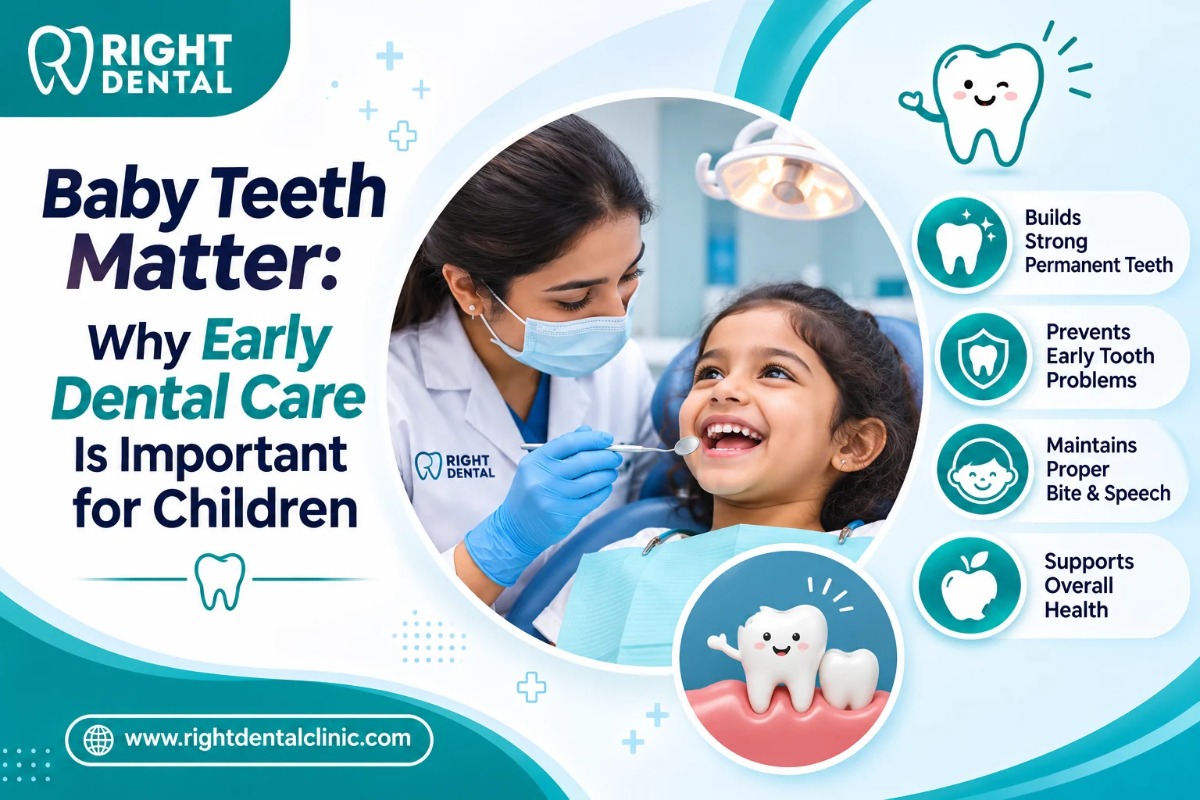
Why Are Baby Teeth Important for Children?
Baby teeth, also known as primary teeth or milk teeth, are the first set of teeth that develop during childhood. Most children have 20 primary teeth, which usually begin appearing around six months of age.
Although these teeth are temporary, they perform several important functions.
1. Help Children Chew Food Properly
Healthy baby teeth help children bite and chew different types of food comfortably. Tooth decay or missing baby teeth can make eating difficult and may affect a child’s eating habits.
2. Support Speech Development
Teeth play an important role in producing certain sounds and pronouncing words correctly. Healthy baby teeth help children develop clear speech as they learn to communicate.
3. Maintain Space for Permanent Teeth
Baby teeth act as natural space holders for permanent teeth. If a baby tooth is lost too early because of decay or injury, nearby teeth may shift into the empty space, potentially affecting the alignment of permanent teeth.
4. Support Jaw and Facial Development
Primary teeth contribute to normal oral development and help children develop their chewing function as they grow.
5. Build Confidence in Children
Healthy teeth support a child’s smile and help them feel comfortable when speaking, laughing and interacting with others.
Why Is Early Dental Care Important for Children?
Dental problems can develop even before all baby teeth appear. Establishing good oral hygiene habits from infancy helps protect children’s teeth and reduces the risk of future dental concerns.
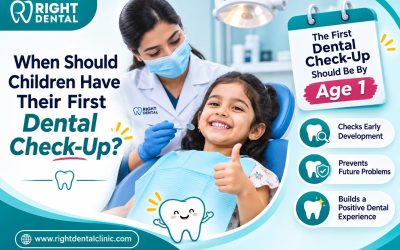
When Should You Start Taking Your Child to the Dentist?
Many parents wait until their child develops a complete set of baby teeth before scheduling the first dental appointment. However, dental care should begin much earlier.
According to the American Academy of Pediatric Dentistry, a child’s first dental visit should take place when the first tooth appears or no later than their first birthday.
During the initial visit, the dentist may:
- Examine the baby’s teeth and gums.
- Check for early signs of tooth decay.
- Monitor the development of the mouth and teeth.
- Guide parents on proper brushing techniques.
- Provide advice about feeding habits and cavity prevention.
Starting dental visits early helps parents understand their child’s oral health needs from the beginning.
7 Simple Ways Parents Can Protect Their Child’s Baby Teeth
Maintaining children’s dental health does not have to be complicated. Small daily habits can make a big difference.
1. Start Cleaning Before the First Tooth Appears
Even before the first tooth comes in, gently clean your baby’s gums using a clean, soft, damp cloth. Once the first tooth appears, begin brushing with a soft-bristled baby toothbrush.
2. Use the Right Amount of Fluoride Toothpaste
Use fluoride toothpaste in an age-appropriate amount:
- Under 3 years: A smear or rice-grain-sized amount.
- Ages 3–6 years: A pea-sized amount.
Parents should supervise brushing and encourage children to spit out the toothpaste rather than swallow it.
3. Limit Sugary Foods and Drinks
Frequent consumption of sweets, chocolates, sugary juices and soft drinks can increase the risk of cavities.
Offer healthier food choices such as fresh fruits, vegetables and other nutritious foods suitable for your child’s age.
4. Avoid Putting Babies to Sleep With Sugary Drinks
Avoid placing your baby in bed with a bottle containing milk, juice or other sugary drinks. Repeated exposure of teeth to these liquids during sleep can increase the risk of tooth decay.
Follow your paediatrician’s and dentist’s feeding guidance, especially for infants.
5. Make Brushing a Daily Routine
Encourage your child to brush twice daily, especially before bedtime. Parents should assist or supervise brushing to ensure that all tooth surfaces are cleaned properly.
6. Schedule Regular Dental Check-Ups
Regular dental examinations help monitor tooth development and identify possible dental problems. Your dentist will recommend how frequently your child should visit based on their oral health needs.
7. Make Dental Care Fun and Positive
Children are more likely to develop good habits when brushing feels enjoyable. Use colourful toothbrushes, play a short brushing song or brush together as a family.
Avoid making dental visits frightening. Explain the experience positively so children feel comfortable.
Common Signs of Dental Problems Parents Should Never Ignore
Children may not always communicate dental discomfort clearly. Parents should pay attention to changes in their child’s behaviour and oral health.
Conclusion
Baby teeth may be temporary, but their importance in a child’s growth and development should never be underestimated. From supporting speech and chewing to maintaining space for permanent teeth, healthy primary teeth play an essential role during childhood.
Parents can protect their children’s smiles by starting oral hygiene early, encouraging healthy eating habits, supervising daily brushing and scheduling regular dental check-ups.
Remember, good dental habits developed during childhood can create a strong foundation for lifelong oral health.
At Right Dental Clinic, children can receive dental guidance and care based on their individual oral health needs. Give your child’s smile the attention it deserves by scheduling an early dental consultation.