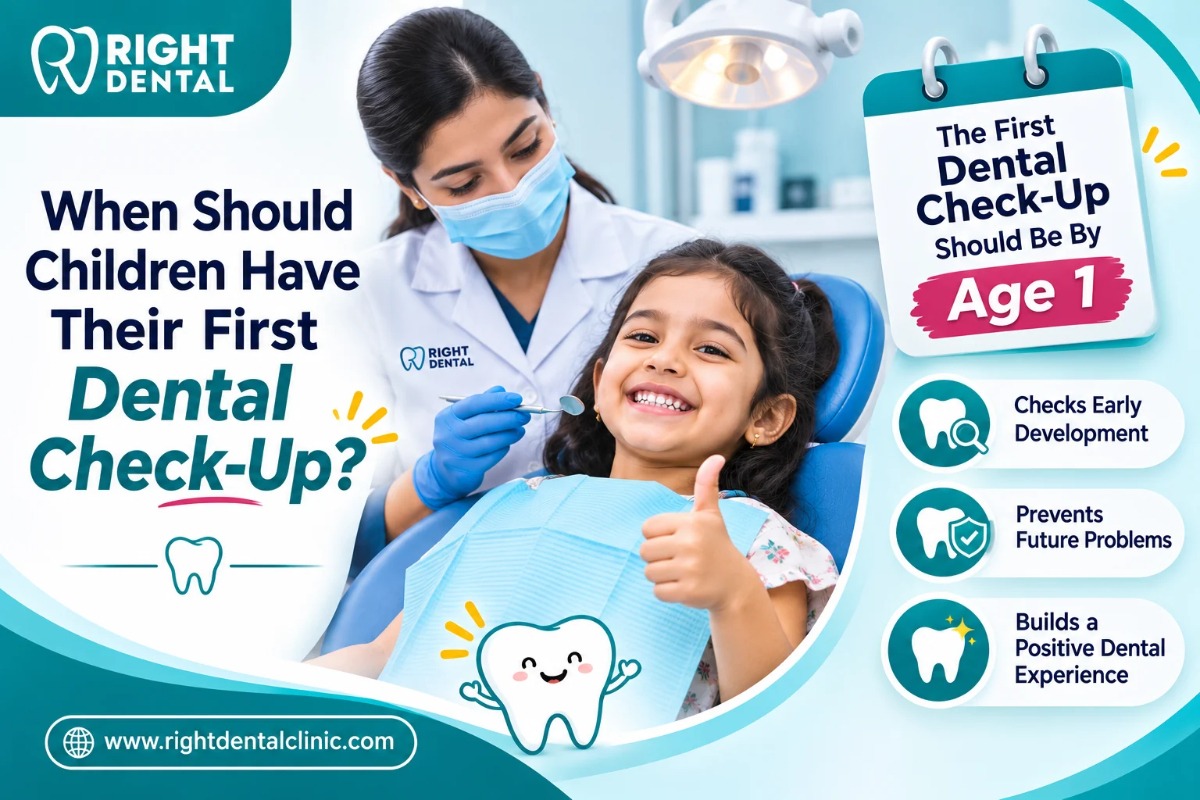
A child’s first tooth is an exciting milestone for every parent. As soon as those tiny teeth begin to appear, taking care of their dental health becomes important. However, many parents are unsure about when to schedule their child’s first dental appointment. Some wait until all the baby teeth have appeared, while others visit a dentist only when their child experiences tooth pain.
But did you know that children should visit a dentist much earlier than many parents expect?
Early dental check-ups help monitor tooth development, identify potential dental problems and establish healthy oral hygiene habits from the beginning. Understanding the right time for your child’s first dental visit can make a big difference in maintaining their smile as they grow.
Let’s understand when children should have their first dental check-up and why early dental care matters.
When Should a Child Have Their First Dental Check-Up?
According to the American Academy of Pediatric Dentistry, children should have their first dental visit when their first tooth appears or no later than their first birthday.
This may seem early, especially when babies have only one or two tiny teeth. However, dental problems can begin even during infancy.
An early dental appointment helps the dentist:
- Check the development of your baby’s teeth and gums.
- Identify early signs of tooth decay.
- Examine the baby’s mouth and jaw development.
- Guide parents on proper cleaning and brushing techniques.
- Explain healthy feeding habits that support dental health.
Starting dental visits early also helps children become familiar with the dental environment, making future appointments more comfortable.
Why Are Early Dental Check-Ups Important for Children?
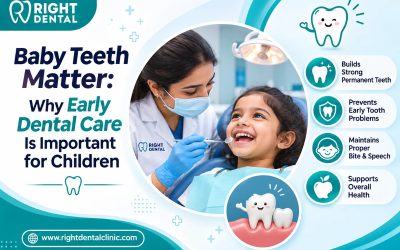
Baby teeth may eventually fall out, but they play an important role in a child’s growth and development. Regular dental examinations help protect these teeth and support healthy oral development.
1. Helps Detect Tooth Decay Early
Baby teeth have thinner enamel than permanent teeth, which can make them more vulnerable to tooth decay. Early dental examinations help identify signs of cavities before they become more serious.
Treating dental problems at the right time can help prevent pain, infection and other complications.
2. Supports Proper Tooth Development
As children grow, their teeth and jaws continue to develop. Regular dental check-ups allow dentists to monitor tooth eruption, spacing and alignment.
If any developmental concerns are identified, the dentist can suggest appropriate guidance or further evaluation.
3. Prevents Early Childhood Cavities
Frequent exposure to sugary drinks, sweet foods and poor oral hygiene can increase the risk of early childhood tooth decay.
During dental visits, parents receive advice about feeding habits, fluoride toothpaste and daily cleaning routines that help protect their child’s teeth.
4. Builds Healthy Oral Hygiene Habits
Children begin learning daily habits from their parents. Introducing dental care at an early age helps make brushing and oral hygiene a normal part of their routine.
Dentists can demonstrate suitable brushing techniques and explain how parents should care for their child’s teeth at different stages of development.
5. Reduces Fear of Dental Visits
A child’s first dental appointment does not always involve complicated procedures. It may simply include a gentle examination and guidance for parents.
Positive early experiences can help children become more comfortable with dental visits and reduce anxiety about future treatments.
hildren Visit a Dentist?
After the first dental appointment, children should continue visiting the dentist regularly to monitor their oral health.
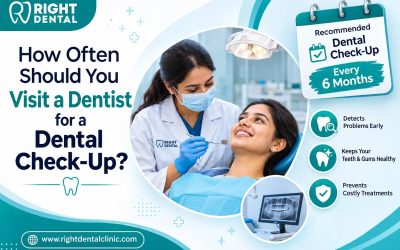
Many children benefit from dental check-ups every six months. However, the frequency may vary depending on their dental condition and risk of developing cavities.
A child who has a history of tooth decay or other dental concerns may need more frequent examinations.
Regular appointments help dentists monitor:
- Baby tooth development.
- Signs of cavities and enamel damage.
- Gum health.
- Tooth spacing and alignment.
- Oral hygiene habits.
Following a personalised dental visit schedule helps maintain healthy teeth throughout childhood.
Conclusion
Your child’s dental health journey begins much earlier than you might think. Scheduling the first dental check-up when the first tooth appears or before the first birthday is an important step towards protecting their smile.
Regular dental visits, proper brushing, healthy eating habits and parental supervision can help prevent early childhood cavities and support healthy tooth development.
Remember, early dental care is not just about treating dental problems. It is about building healthy habits that last a lifetime.
At Right Dental Clinic, parents can receive professional guidance on their child’s dental development, oral hygiene and preventive dental care. Schedule your child’s first dental consultation and give their growing smile the care it deserves.