Many people visit a dentist only when they experience tooth pain, bleeding gums or other dental problems. However, regular dental check-ups are important even when your teeth appear healthy. Some dental problems develop slowly without showing noticeable symptoms in the early stages. A routine dental visit can help identify these issues before they become more complicated.
But how often should you actually visit a dentist? Is visiting once a year enough, or should you schedule an appointment every six months? The answer depends on your oral health, dental history and individual risk factors.
Let’s understand why regular dental check-ups matter and how often you should schedule them.
How Often Should You Visit a Dentist?
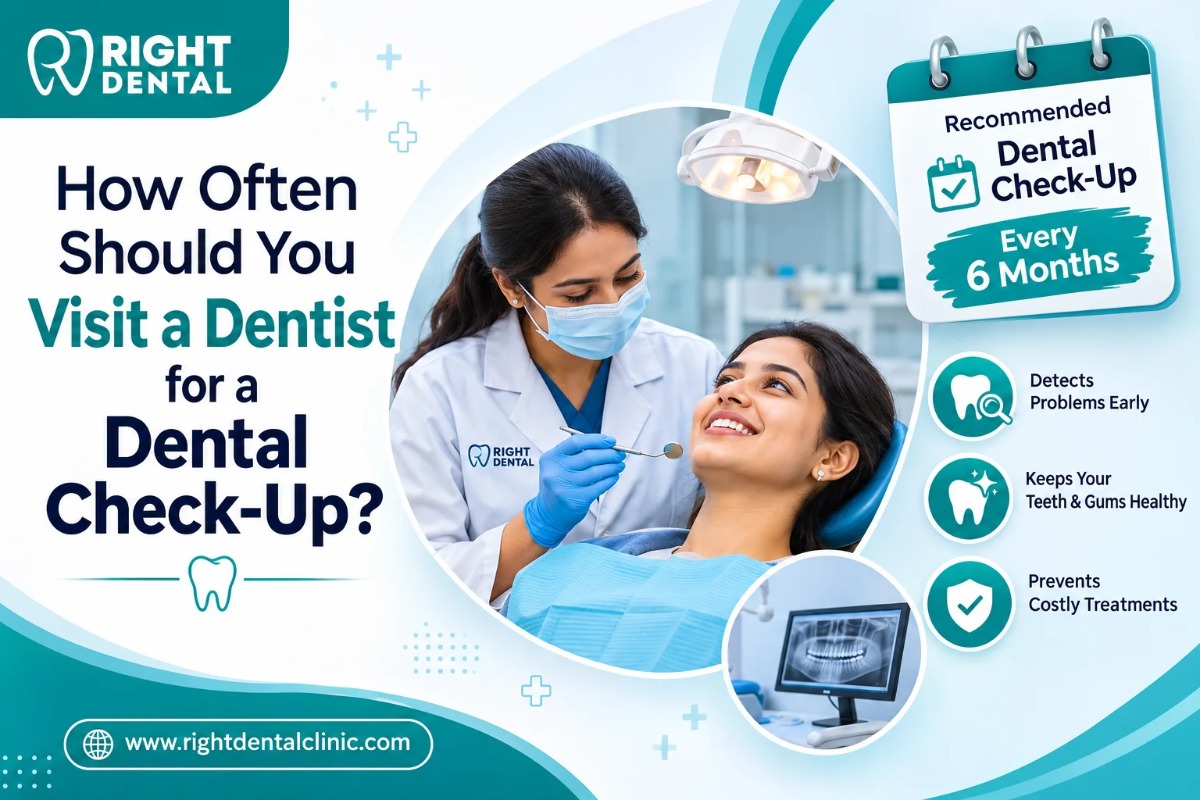
For many people, visiting a dentist every six months is a commonly recommended schedule. These regular visits allow dentists to monitor your oral health, identify potential problems and provide professional cleaning when needed.
Your dentist can recommend a suitable schedule depending on factors such as:
- Your history of cavities and gum problems
- Your daily brushing and flossing habits
- Existing dental treatments or restorations
- Your risk of developing oral health problems
- Your overall dental condition
Following a personalised dental check-up schedule helps maintain healthy teeth and gums.
Why Are Regular Dental Check-Ups Important?
Regular dental visits are not just about cleaning your teeth. They help prevent common oral health problems and allow your dentist to identify changes in your mouth.
1. Helps Detect Cavities Early
Tooth decay may not cause pain during its initial stages. During a dental examination, your dentist can identify early signs of cavities and recommend suitable treatment before the damage becomes more extensive.
2. Prevents Gum Problems
Bleeding gums, swelling and persistent bad breath can sometimes indicate gum disease. Regular examinations help identify gum-related problems early and reduce the risk of further complications.
3. Removes Plaque and Tartar Build-Up
Even with regular brushing, plaque can accumulate in areas that are difficult to clean. When plaque hardens into tartar, professional dental cleaning is needed to remove it. This helps maintain better oral hygiene.
4. Identifies Hidden Dental Problems
Not all dental problems are immediately visible. Depending on your condition, your dentist may recommend dental X-rays to identify issues such as hidden decay, impacted teeth or problems around tooth roots.
5. Maintains Long-Term Oral Health
Routine dental examinations help your dentist monitor your teeth, gums and overall oral condition. Early attention to dental issues can help prevent more complicated treatments in the future.
Signs You Should Visit a Dentist Before Your Next Scheduled Check-Up
You should not wait until your next routine appointment if you notice unusual changes in your teeth or gums.
Do Children and Adults Need the Same Dental Check-Up Schedule?
Dental care requirements can vary with age and oral health conditions.
Children: Regular dental visits help monitor the development of teeth, identify early cavities and establish healthy oral hygiene habits. Children should have their first dental visit by their first birthday or within six months after their first tooth appears.
Adults: Routine check-ups help detect cavities, gum disease, enamel wear and other dental concerns. Adults should follow a visit schedule recommended by their dentist.
Older Adults: Age-related changes, gum recession, dry mouth and existing dental restorations may increase the need for regular monitoring. Their dental visit frequency should be based on individual needs.
What Happens During a Routine Dental Check-Up?
If you are visiting a dentist for the first time or have not had a check-up recently, understanding the process can make your appointment easier.
A routine dental check-up may include:
Dental Examination: The dentist checks your teeth, gums and other areas inside your mouth for signs of cavities, gum disease and other concerns.
Professional Teeth Cleaning: If required, plaque and tartar deposits are removed through professional cleaning to support better oral hygiene.
Dental X-Rays: X-rays may be recommended when necessary to examine areas that cannot be fully assessed through a visual examination.
Oral Hygiene Guidance: Your dentist may suggest suitable brushing techniques, flossing practices and lifestyle changes based on your dental condition.
The exact procedures depend on your oral health and the dentist’s assessment.
How Can You Maintain Healthy Teeth Between Dental Visits?
Regular dental check-ups are important, but your everyday habits also play a major role in maintaining oral health.
Here are some simple practices to follow:
- Brush your teeth twice daily using fluoride toothpaste.
- Floss every day to remove food particles between teeth.
- Limit sugary foods and drinks.
- Drink enough water throughout the day.
- Avoid tobacco products.
- Replace your toothbrush when the bristles become worn.
- Follow your dentist’s advice for maintaining oral hygiene.
Consistent daily care, combined with regular dental examinations, can help keep your teeth and gums healthy.
Conclusion
Regular dental check-ups are an important part of maintaining healthy teeth and gums. Although visiting a dentist every six months is a common recommendation, your ideal schedule depends on your individual oral health needs.
Instead of waiting for tooth pain or discomfort, make preventive dental care part of your routine. Regular examinations, professional guidance and good daily oral hygiene can help you protect your smile for years to come.
If you are looking for professional dental care, Right Dental Clinic can help you understand your oral health needs and recommend suitable dental care. Schedule a dental consultation and take the next step towards a healthier smile.